青年路老废物乐园客人
The Patron at Old Rubbish Paradise on Qingnian Road
有些人的故事,你得用一杯酒的时间来听。
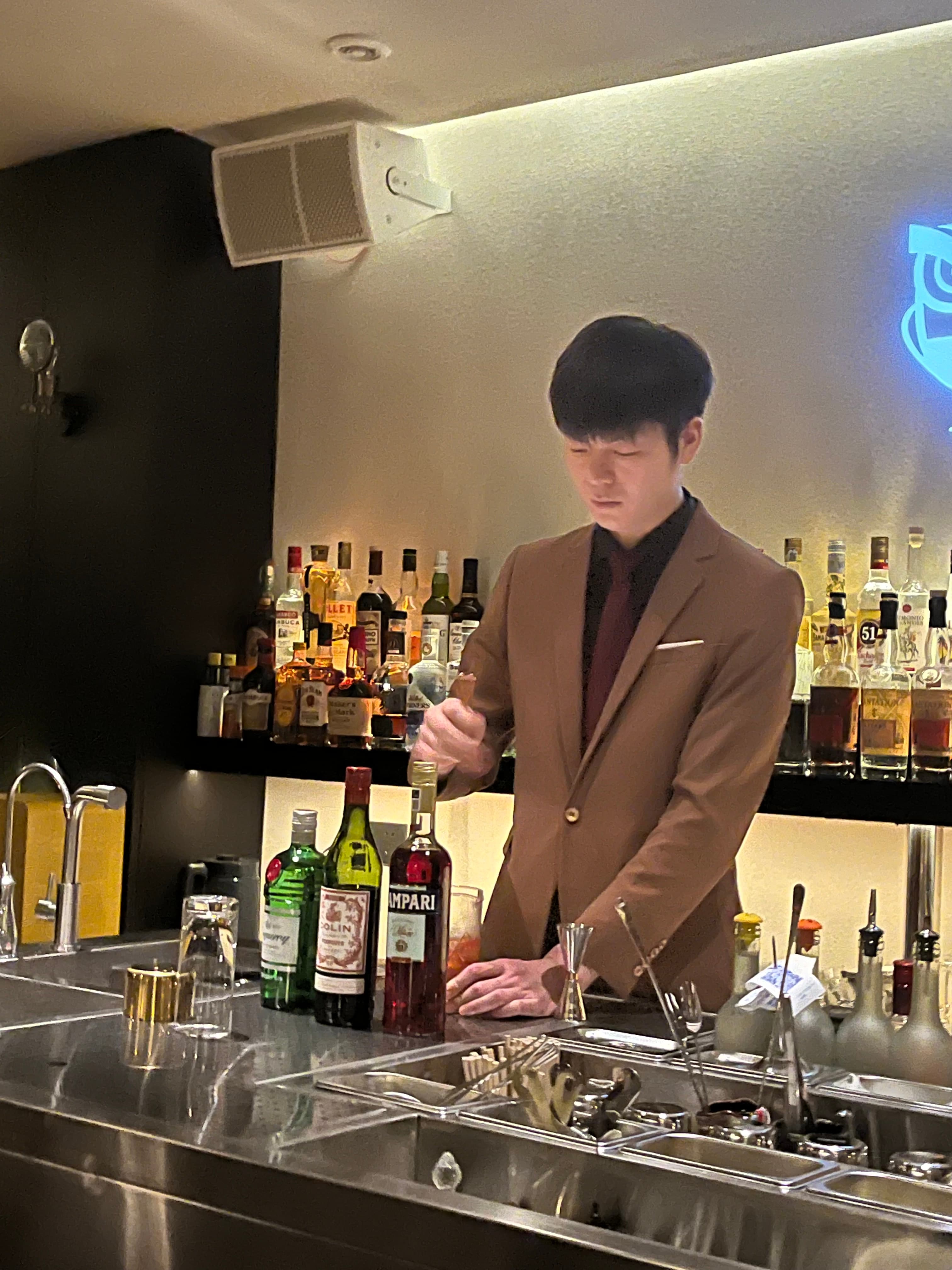
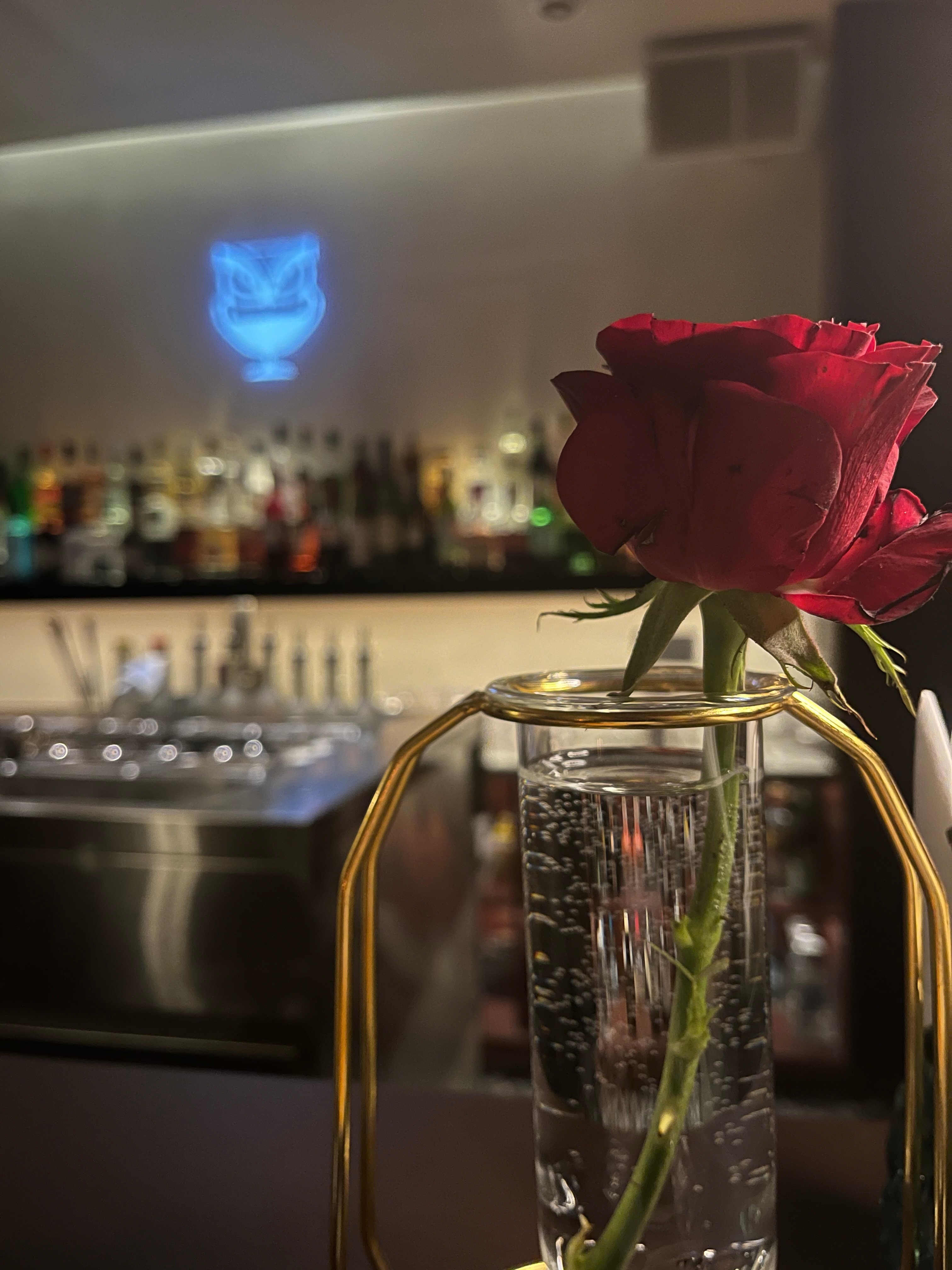
在武汉,青年路上,一个叫做“老废物乐园”的地方——光是这名字,就已经是一篇值得细细品读的微型小说了。我在想,是怎样的坦然与自嘲,才能让一群年轻人,心甘情愿地走进一个以“废物”为名的地方,寻求慰藉?
就在这里,我注意到一个来自郑州的年轻人。他点了一杯名字很张扬的酒,叫“嗨海棒”,然后一口饮尽。那不是酗酒的沉沦,而是一种仪式,一种带着少年气的、对世界的宣告。他的故事,就从这一口酒的豪情中,汩汩流出。
十六岁,我们大多数人还在教科书的字里行间挣扎,在青春期的迷惘中摸索,他却已经开始用味蕾去认识世界的多样与复杂。不到三年,酒精对他而言,不再是单纯的液体,而是一门可以解构、可以重组、可以言说的艺术。我不好奇他喝了多少,我好奇的是,这背后那早熟的、渴望探索世界边界的灵魂。
更有趣的是,这个沉浸在微醺世界里的“品酒师”,主修的竟是计算机——最理性、最讲求逻辑的符号世界。然而,他又一头钻进了哲学与历史的故纸堆。这是一种多么迷人的撕裂感!一个人的内在,可以同时容纳代码的精准、酒精的迷离,以及历史的纵深。这样的年轻人,你看着他,就像看着一个时代的缩影:矛盾、多元,却又充满了蓬勃的生命力。
他谈未来,谈城市。他说,为什么我们这一代,总要被“北上广深”这个巨大的符咒给捆绑住?仿佛所有人的成功,都必须在那些拥挤不堪的超级都市里得到验证。他的语气里没有愤怒,而是一种冷静的、几乎是带着悲悯的审视。他在挑战一个我们习以为常的价值坐标。
这份超越年龄的清醒,让我动容。
“老废物乐园”,多么精准的反讽。在这里,被主流价值观暂时“抛弃”的年轻人,却活得比任何人都更清醒、更真实。他们不是废物,他们只是拒绝被同一个模子塑造成“有用之材”。
那个郑州来的年轻人,用他对调酒的热情、对未来的思考,以及那份坦然的自信,构成了一道刺眼的光。他让我相信,所谓的“精彩人生”,从来不是攀上某座被他人定义好的高峰,而是在看似“废弃”的乐园里,亲手为自己调制一杯独一无二的酒,然后,一口饮尽,无问西东。
Some people's stories require the time it takes to drink a glass of wine to be heard.
In Wuhan, on Qingnian Road, there is a place called "Old Rubbish Paradise"—the name alone is a piece of flash fiction worth savoring. I wonder, what kind of frankness and self-deprecation allows a group of young people to willingly step into a place named after "rubbish" to seek solace?
It was here that I noticed a young man from Zhengzhou. He ordered a flamboyantly named drink, the "Hi High Stick," and downed it in one go. That was not the downward spiral of alcoholism, but a ritual, a youthful declaration to the world. His story began to flow, effervescent, from that single, bold gulp.
At sixteen, when most of us were still struggling between the lines of textbooks and fumbling through the haze of adolescence, he had already begun to understand the diversity and complexity of the world with his palate. In less than three years, alcohol was no longer a mere liquid to him, but an art form that could be deconstructed, reassembled, and articulated. I wasn't curious about how much he drank; I was curious about the precocious soul behind it, eager to explore the boundaries of the world.
What's more fascinating is that this "connoisseur," immersed in a tipsy world, was a computer science major—the most rational, most logical world of symbols. And yet, he also delved into the dusty tomes of philosophy and history. What a captivating sense of being torn! A person's inner world can simultaneously accommodate the precision of code, the haze of alcohol, and the depth of history. Looking at such a young man is like looking at a microcosm of an era: contradictory, diverse, yet brimming with vigorous life.
He spoke of the future, of cities. He asked, why must our generation always be bound by the great spell of "Beijing, Shanghai, Guangzhou, and Shenzhen"? As if everyone's success must be validated in those overcrowded super-cities. There was no anger in his tone, but a calm, almost compassionate scrutiny. He was challenging a value system we have long taken for granted.
This lucidity, so far beyond his years, moved me.
"Old Rubbish Paradise"—what a precise irony. Here, young people temporarily "abandoned" by mainstream values live more soberly and authentically than anyone else. They are not rubbish; they simply refuse to be molded into "useful material" by the same template.
That young man from Zhengzhou, with his passion for mixology, his contemplation of the future, and his calm self-confidence, formed a dazzling beam of light. He made me believe that a so-called "wonderful life" is never about scaling a peak defined by others. Rather, it is about personally mixing a unique drink for oneself in a seemingly "abandoned" paradise, and then, downing it in one gulp, without asking where you came from or where you are going.
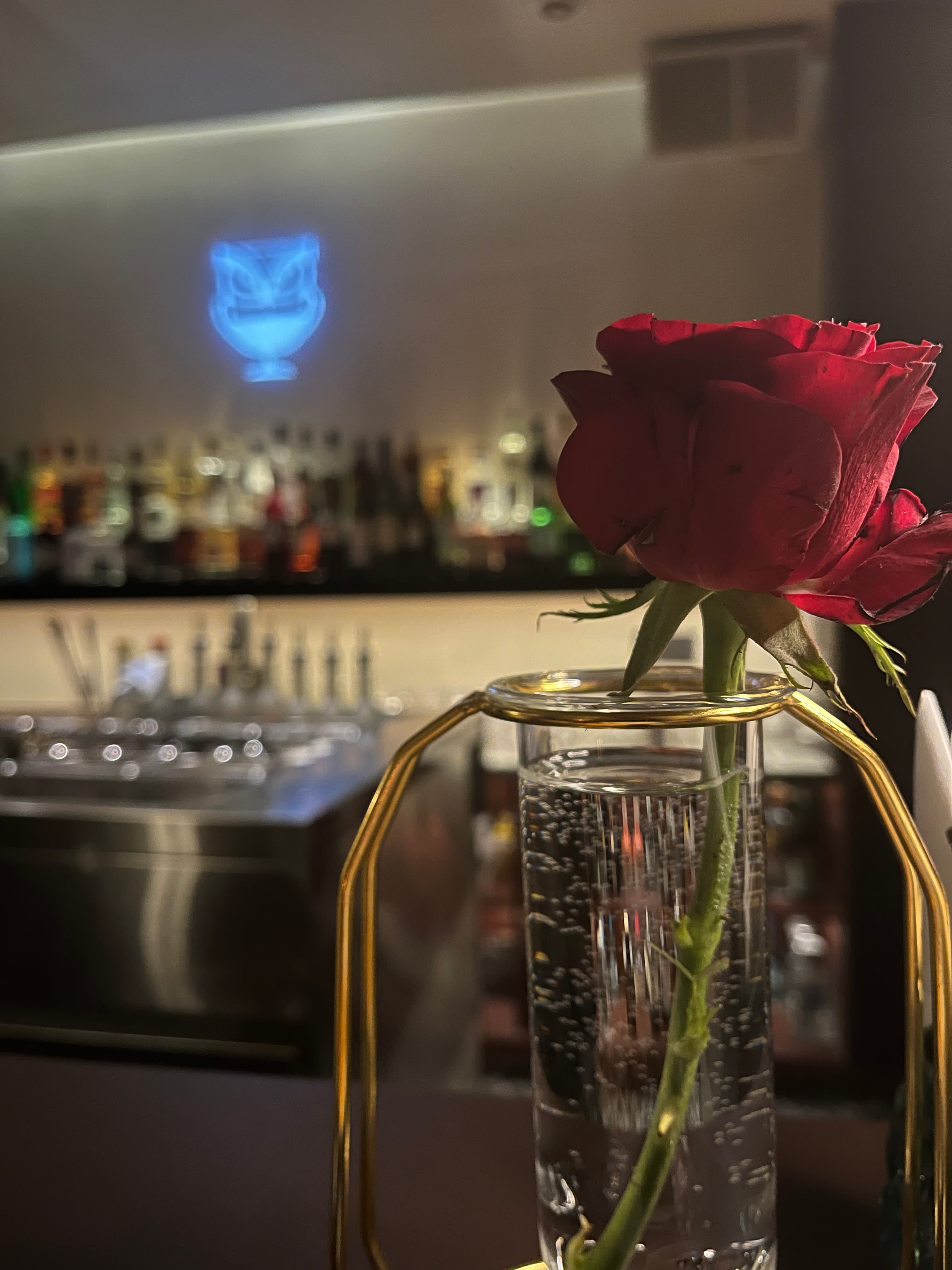
照片 photo
更多武汉的故事
Discover more stories from Wuhan