山景步道的火锅店老板娘
The Hotpot Restaurant Owner on Mountain View Trail
我曾一次次地想,究竟是怎样的文化基因,才能让一座城市,将最滚烫的生命激情,安放于最险峻的地理格局之上。直到那天,我沿着重庆的山景步道拾级而上,才算为这个盘桓已久的命题,寻得了一个具体的注脚。
山道是清寂的,草木扶疏,江风徐来,带着一种远离尘嚣的古典意蕴。这本该是属于寺观、属于碑碣、属于隐士的空间。然而,就在这清寂之中,一股浓烈得近乎蛮横的香气,却不由分说地侵入你的嗅觉。那是牛油的醇厚,是辣椒的灼热,是花椒的霸道。是火锅,这最入世、最喧闹、最能代表重庆市民精神的图腾,竟赫然出现在了这出世的山道旁。
我循着这股味道走去,看到了一家火-锅店。店面不大,却人气鼎盛,热气蒸腾,仿佛要将这山间的清冷一举荡涤。店主是一位中年女性,也就是重庆人最乐于称呼的“老板娘”。她身上有一种未经雕琢的生命力,嗓门洪亮,步履如风,用最地道的重庆方言调度着整个场面。那语言,短促、有力,带着一种不容置疑的爽利,却又在眉眼间,藏着一丝不易察觉的温厚。
她招呼着客人,那些刚刚从山道上走下来、额角还挂着汗珠的旅人。她让他们坐下,递上菜单,然后高声地向后厨喊着什么。这一切,都进行得那么理所当然,仿佛千百年来,这山道上就该有这么一家火锅店,就该有这么一位老板娘,在此迎接着四方来客。
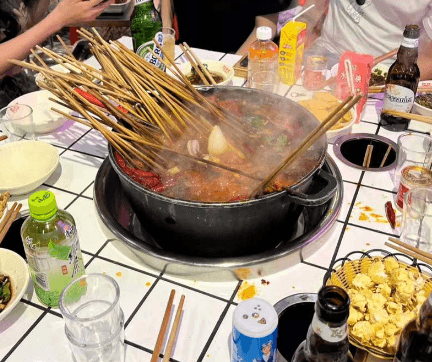
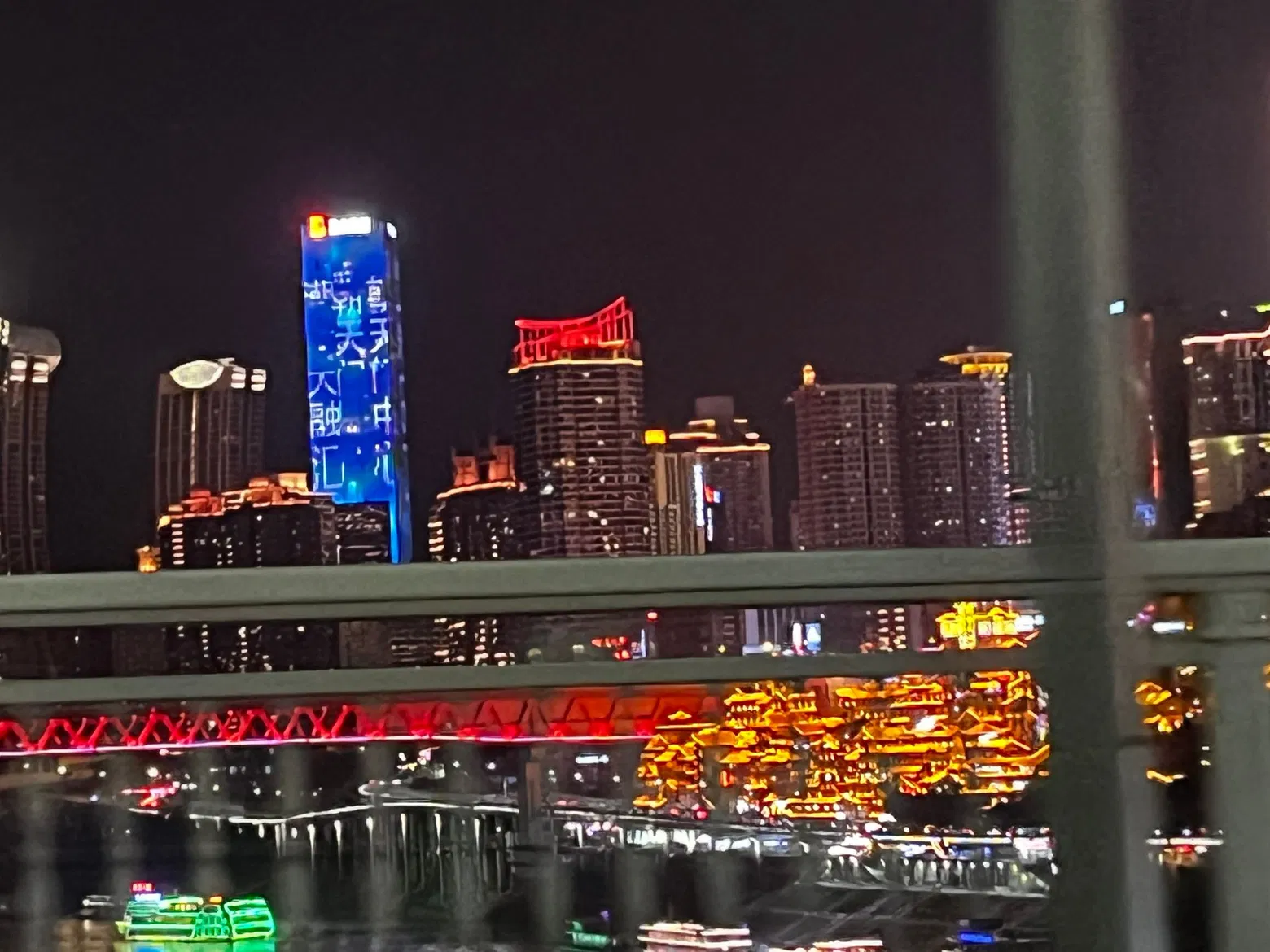
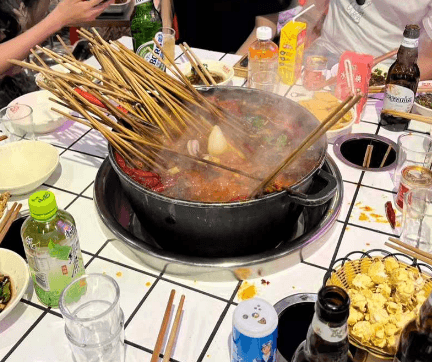
我坐了下来,看着那锅红油在我面前翻滚。辣椒与花椒在其中沉浮,像一锅浓缩了的、沸腾的重庆历史。我想,这便是重庆的密码了。它从不屑于做什么非此即彼的选择。它可以在最现代的摩天大楼旁,保留最破败的吊脚楼;也可以在最清幽的山林间,点燃最火爆的市井炉灶。出世与入世,清雅与粗粝,就这样被它举重若轻地揽于一身,毫无扭捏之态。
老板娘又在招呼新来的客人了,声音依旧洪亮。我看着她忙碌的身影,忽然觉得,她和她的这家火-锅店,就是这条山景步道上一个活的文化遗迹。它不像那些沉默的石刻,需要后人去考据、去猜度。它就活生生地在这里沸腾着,喧嚣着,用最直接的味觉和最热烈的体感,向每一个路过的人,讲述着重庆的故事。
I have repeatedly wondered what kind of cultural genes could allow a city to place its most fervent passion for life upon the most precipitous geographical landscape. It wasn't until that day, as I ascended along Chongqing's mountain scenic path, that I found a concrete answer to this long-lingering question.
The mountain path was tranquil, with lush vegetation and a gentle river breeze, carrying a classical serenity that felt removed from the hustle and bustle of the world. This should have been a space belonging to temples, steles, and hermits. However, amidst this tranquility, an aroma so rich it bordered on the boisterous unapologetically invaded your senses. It was the richness of beef tallow, the burning heat of chili peppers, and the dominance of Sichuan peppercorns. It was hot pot, the most worldly, the most boisterous, and the most representative symbol of the Chongqing civic spirit, surprisingly appearing beside this otherworldly mountain path.
Following the scent, I found a hot pot restaurant. The storefront wasn't large, but it was incredibly popular, with steam rising as if to dispel the mountain's coolness. The owner was a middle-aged woman, the type Chongqing people affectionately call "the boss lady." She possessed an unrefined vitality, with a loud voice and brisk movements, managing the entire scene with the most authentic Chongqing dialect. Her language was short, forceful, and carried an undeniable decisiveness, yet hidden within her brows and eyes was a hint of warmth.
She greeted the guests, travelers who had just walked down the mountain path, sweat still on their foreheads. She had them sit down, handed them menus, and then loudly called out something to the kitchen. All of this happened so naturally, as if for centuries, there should have been a hot pot restaurant on this mountain path, and there should have been such a boss lady here, welcoming guests from all directions.
I sat down, watching the pot of red oil bubbling before me. Chili peppers and Sichuan peppercorns floated within, like a concentrated, boiling history of Chongqing. I thought, this is the code of Chongqing. It never deigns to make either/or choices. It can preserve the most dilapidated stilted buildings next to the most modern skyscrapers; it can also ignite the most bustling urban stoves in the most secluded mountains and forests. Detachment and engagement, elegance and coarseness, are thus embraced effortlessly, without any awkwardness.
The boss lady was greeting new customers again, her voice still loud. Watching her busy figure, I suddenly felt that she and her hot pot restaurant were a living cultural relic on this mountain scenic path. Unlike those silent stone carvings, which require later generations to research and guess, it is vividly boiling and bustling here, telling the story of Chongqing to everyone who passes by with the most direct taste and the most enthusiastic physical experience.
照片 photo