茶南大街金陵特色面老板娘
The Nanjing Noodles Empress on Channan Street
我在想,一座真正伟大的都城,它的历史绝不仅仅陈列于博物馆的玻璃柜中,或是镌刻在帝王将相的碑碣之上。更多的,是沉淀在无数条无名的街巷里,弥散于最寻常的市井烟火间。譬如金陵,譬如茶南。
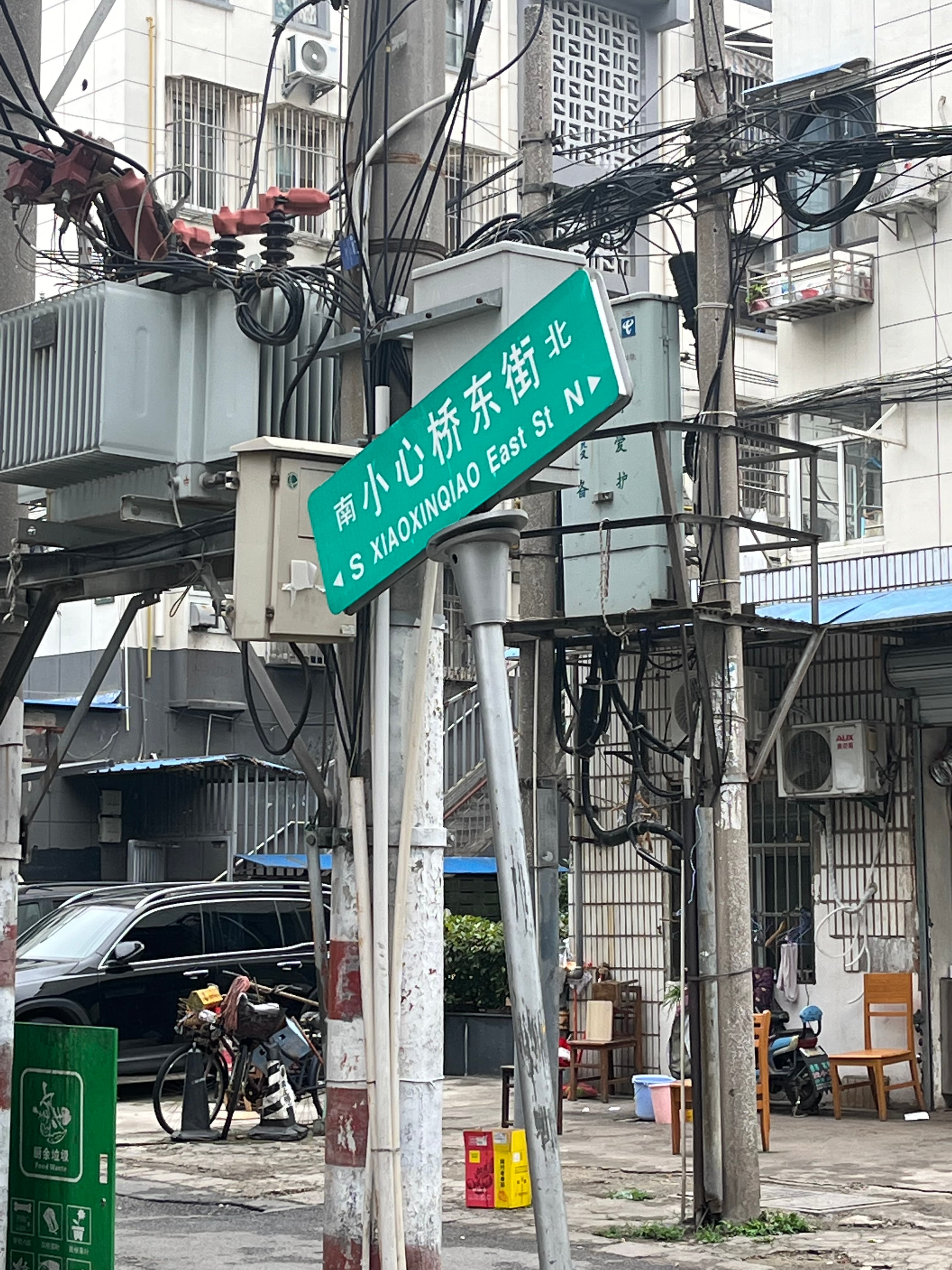
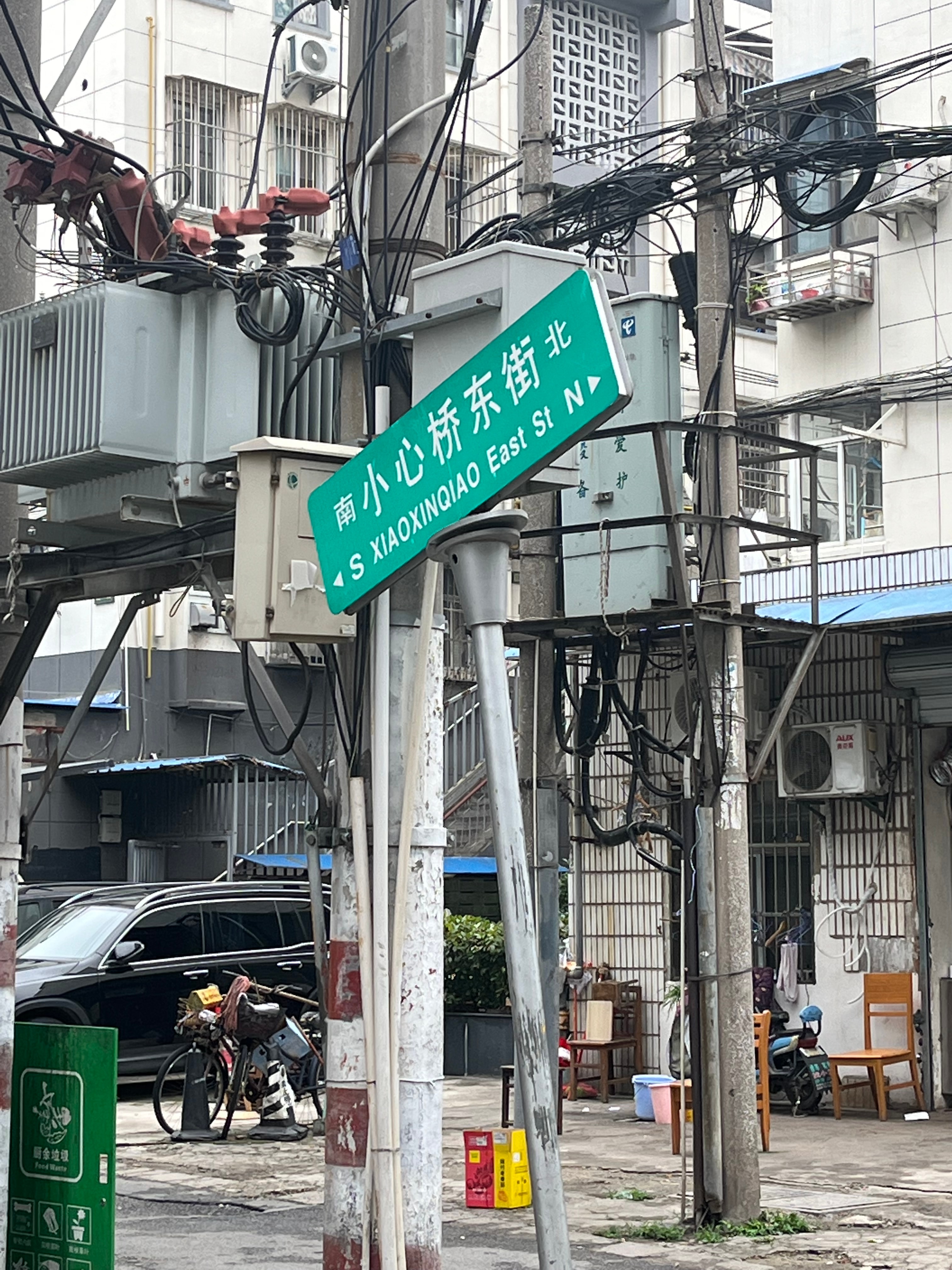
初闻“茶南”,便觉有几分古意。它不似新街口那般流光溢彩,咄咄逼人,倒像是一位洗尽铅华的六朝仕女,眉宇间藏着故事,步履间带着安详。我便是在这样一条街上,与那一碗面不期而遇。
面馆不大,甚至有些局促,却因十年未变的经营而获得了一种时间的尊严。老板娘,一位寻常的南京妇人,并未向我讲述太多关于生计的艰难,反而更愿意谈论她的肉圆。
她说,店里的肉圆都是自己亲手做的。从选肉、剁肉到捏制,每一步都不能省。她一边说,一边用手比划着,脸上有一种对自己手艺的自豪。她说,机器做出来的,总归不是那个味道。
我问起前几年的疫情,她说那段时间确实难,但还是撑过来了,因为总有老客惦记着她家这口吃的。守住这家店,守住这个味道,对她来说,似乎是一件理所当然的事。
很多在外面工作的南京年轻人,回到家乡,总会先到她这里来吃一碗面。她说,他们吃的,就是这个从小到大的老味道。
我点了一碗。面条筋道,汤头清爽。那颗肉圆,用筷子轻轻一夹就能分开,咬下去,里面是丰腴的汤汁和细嫩的肉糜。味道很实在,没有多余的调料,吃得出是下了功夫的。
吃面的过程中,店里人来人往,有熟客和老板娘用南京话拉着家常,也有像我一样慕名而来的生客。老板娘在灶台和堂食区之间忙碌着,身影寻常,却也构成了这家店最核心的风景。
我吃完面,走出店门,外面依旧是茶南寻常的街景。刚才那碗面的味道,还留在齿颊间。我想,一座城市让人留恋的地方,或许就是这样一个个具体的、能被味觉记住的坐标。
A Bowl of Noodles in Jinling
I have always believed that the history of a truly great capital is never confined to the glass cases of a museum, nor is it merely engraved upon the steles of emperors and generals. More often, it settles in countless unnamed alleyways, pervading the most ordinary smoke and fire of the marketplace. Such is the case with Jinling, and such is the case with Chanan.
Upon first hearing the name "Chanan," one senses a touch of antiquity. It does not possess the dazzling, aggressive splendor of Xinjiekou; rather, it resembles a court lady of the Six Dynasties who has washed away her powder and paint, her brow holding stories, her steps carrying serenity. It was on such a street that I had my unexpected encounter with that bowl of noodles.
The noodle shop was small, even cramped, yet it had acquired a dignity born of time, having operated unchanged for a decade. The proprietress, an ordinary woman of Nanjing, did not speak to me much of the hardships of her livelihood; instead, she was far more eager to discuss her meatballs.
In that moment, I witnessed a cultural consciousness that transcended commerce.
As she proudly introduced that meatball, what I saw was no longer an ordinary sphere of meat. It was a small cultural totem. Upon it, it bore the refinement and fastidiousness of Huaiyang cuisine—a discerning palate cultivated over centuries by wealthy salt merchants and literary scholars. Its handcrafted process was a gentle manifesto against the cold, industrial replication of our age. Its very survival through the three-year pandemic was, in itself, a miniature epic of resilience and guardianship.
Yes, an epic. We often mistakenly believe that epics must be of clashing swords and charging steeds, of world-conquering ambition. But that is not so. A woman, amidst the great tempests of society, merely to safeguard the authentic flavor of a dish, to sustain a tradition of handcraft, day after day, stubbornly repeats a process both trivial and sacred. Is this not, in itself, closer to the truth of our lives than those heroic narratives that have long since weathered into dust?
What she has guarded is a shop, but more so, a coordinate. With this coordinate, the children of Nanjing who wander in foreign lands, no matter how far they roam, can always find the gustatory path leading home in their memories. With this coordinate, this ever-changing city will not, amidst the clamor of demolition and construction, completely sever the bloodline that connects it to its past.
I sat down and ordered a bowl. The noodles, upon entering my mouth, were firm and smooth; the meatball, gently bitten, was rich with succulent juices. The flavor was honest, without a hint of artifice. It brought to mind so much: the sound of oars and the glimmer of lanterns on the Qinhuai River, the crumbling ramparts of the Ming Palace, and the countless cycles of prosperity and calamity this city has endured throughout the long river of history. It has always been so: even in its most glorious moments, it retains a simple, unadorned foundation; and after its most profound suffering, it can once again, upon the rubble, light a warm kitchen fire.
照片 photo